
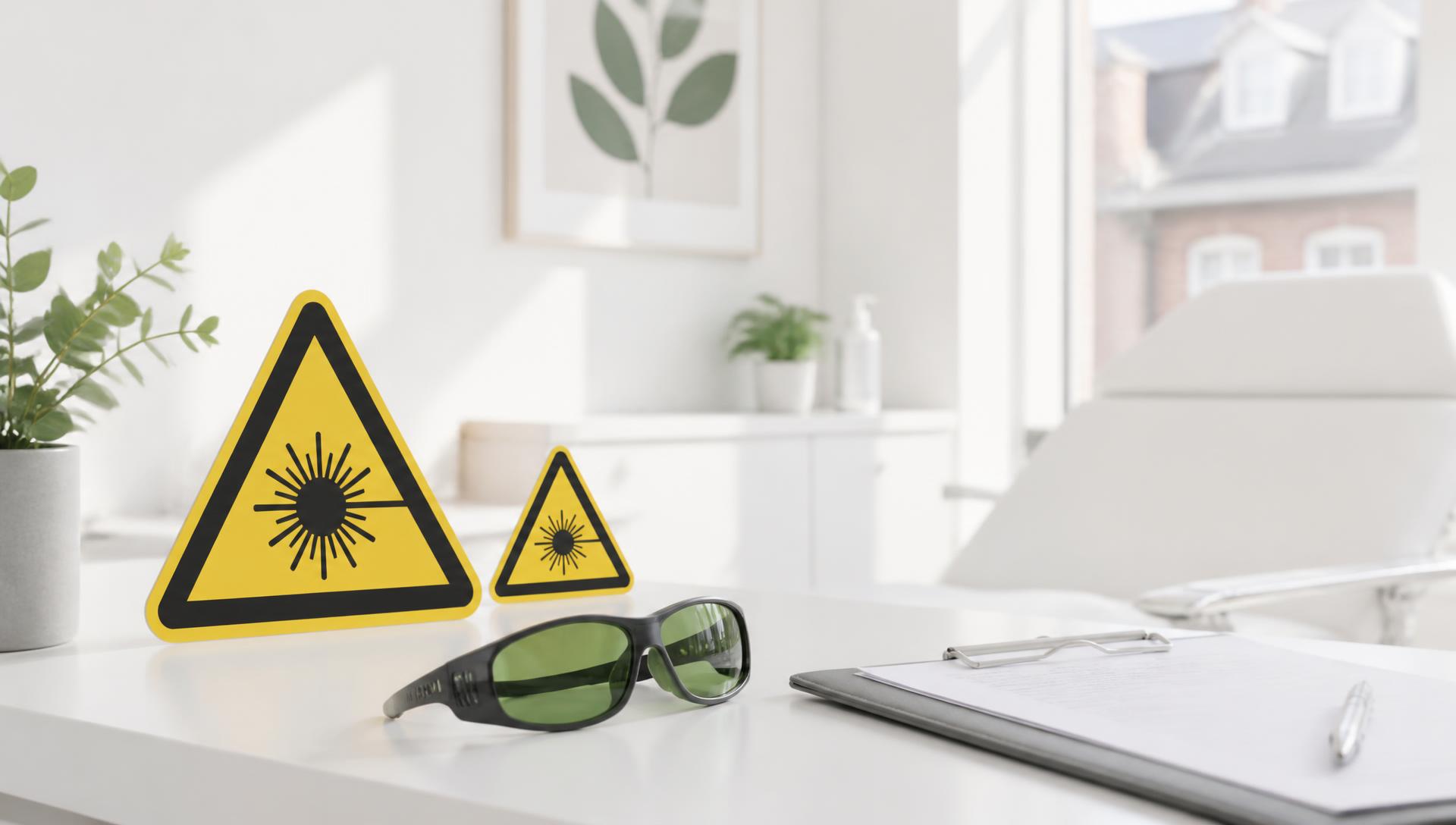
Requirements for laser and IPL hair removal in the UK vary by nation and local authority. England removed laser hair removal from CQC registration scope, while many councils still require a special treatment licence. Scotland, Wales and Northern Ireland operate their own schemes. Check with your local authority before installing.
- Varies by local authority
- England, Scotland, Wales, NI
- Not legal advice
- England
- Council licence common
- Core standard
- BS EN 60825 laser safety
- Insurance
- Treatment-specific cover
Why the picture is fragmented
Regulation of non-surgical cosmetic procedures in the UK is divided between national health regulators and local authority licensing, and it has changed more than once. The practical result is that requirements differ between neighbouring councils. Treat any confident national answer — including from a supplier — as something to verify.
What to ask your insurer
Insurers require documented core-of-knowledge laser safety training, machine-specific training, patch-test protocols and current servicing. They will also ask whether the machine is static or transported. Answer accurately: cover written on inaccurate answers fails at the point of claim.
The standard worth meeting regardless
Documented training for every operator. A written local rules document. A named laser protection adviser where required. Wavelength-matched eyewear for operator and client. Controlled room access with signage during treatment. Recorded consultations capturing Fitzpatrick type, sun exposure and medical history. Patch testing before first treatment. Annual servicing with calibration certificates. Incident recording.
Every item on that list also reduces adverse events, which is the commercial argument as well as the regulatory one.
Mobile and multi-site work
If you treat across several council areas, check each authority separately — you may need more than one registration, and some licence the premises rather than you. Declare transported use to your insurer; some policies exclude it by default.